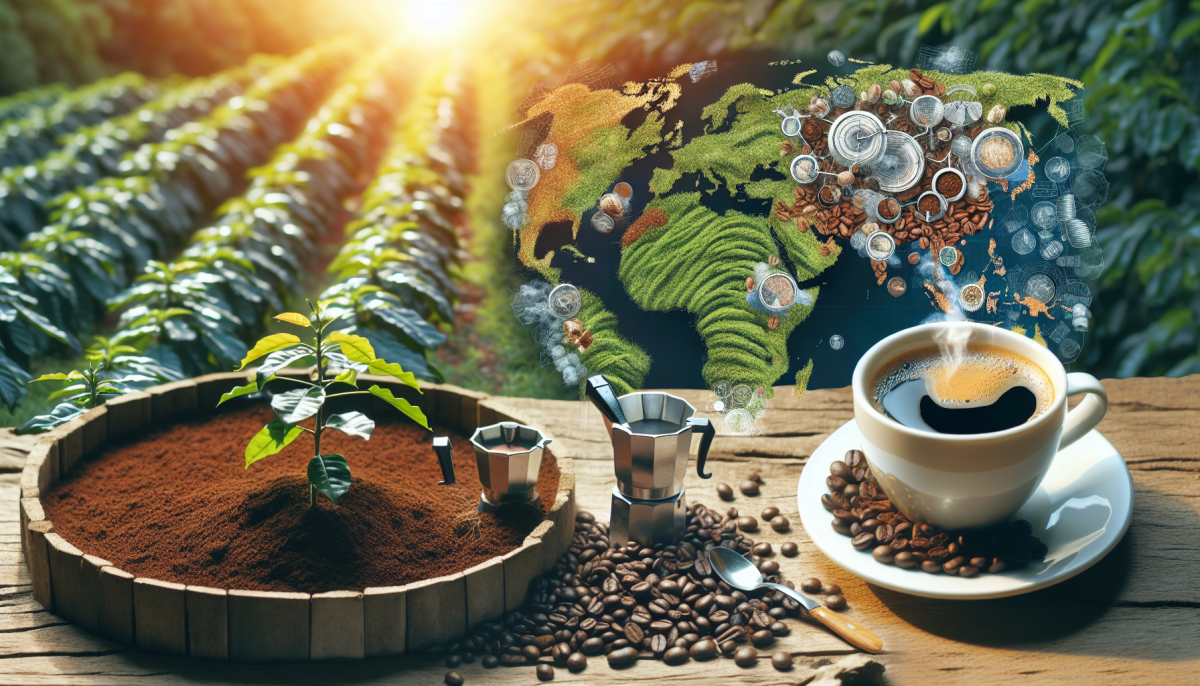
Coffee has traveled a long and winding road to become a global favorite, and its journey is quite fascinating. It all began in the mystical highlands of Ethiopia, where legend has it that a goat herder named Kaldi discovered the magical beans. After noticing how energized his goats became after munching on coffee cherries, he decided to give them a try. Imagine awakening to the invigorating buzz of coffee for the very first time!
Fast forward to the 15th century, coffee made its way to the bustling trade centers of the Middle East. Here, it wasn’t just a drink; it became a social event. Coffeehouses, known as Qahveh Khaneh, popped up everywhere, serving as vibrant hubs for conversation, music, and games. People gathered to discuss everything under the sun—from politics to poetry. This laid the groundwork for a coffee culture that we still love today.
By the 17th century, coffee had reached Europe, and its popularity soared. Coffeehouses opened their doors across cities like London, Paris, and Vienna. These spots were like the modern-day living rooms where folks met friends, read newspapers, and shared ideas. It was in these lively settings that coffee became linked with intellectual thought and artistic expression. It’s incredible to think how a simple cup of coffee could spark revolutionary ideas!
As coffee continued to spread around the world, it took on different flavors and cultural significance. Each country added its unique twist, like the creamy café au lait in France or the spicy, sweet Arabic coffee served in small cups. And today, whether you’re grabbing a quick cup to go or savoring a fancy pour-over, coffee has woven itself into the fabric of our daily lives. It’s more than just a drink; it’s a global community, a ritual, and a daily pleasure that many of us can’t live without!
Coffee's Role in Global Trade
Coffee isn’t just a beloved morning beverage; it’s a major player in global trade. Did you know that coffee is one of the most traded commodities in the world? It ranks right up there with oil and gold! Countries with the ideal climate, like Brazil, Colombia, and Vietnam, are among the top producers, and their economies often rely heavily on coffee exports.
For many nations, coffee production isn’t just about the beans. It supports millions of farmers and workers, providing jobs and livelihoods. Small-scale coffee farms flourish in countries that might not have other economic opportunities. This makes coffee not only a drink of choice but also a lifeline for communities across the globe.
The journey of coffee from farm to cup involves a complex web of processes and trade dynamics. After harvesting, beans are often exported, processed, and roasted in different countries before reaching consumers. This global connection means that the coffee you sip in your local café might have traveled thousands of miles, bringing a taste of the world right to your hands.
Because of its vast influence, coffee has shaped international relationships and trade policies. Fluctuations in coffee prices can impact markets, leading to significant economic shifts. Fair Trade initiatives have also emerged to ensure that farmers receive a fair wage, promoting sustainability and ethical practices in this critical industry.
Revolutionary Moments Fueled by Coffee
Coffee has sparked countless revolutionary moments throughout history, serving as a fuel for conversation, creativity, and social change. From the coffeehouses of 17th century Europe, where thinkers and writers gathered to share ideas, to the vibrant street cafes of today, coffee has always been the backdrop for pivotal discussions and breakthroughs.
Think about the American Revolution; coffee played a role there too. When colonists rejected British tea as a political statement, they turned to coffee as their drink of choice. This small shift helped unite people against a common cause. It’s fascinating to see how a simple beverage could help foster the spirit of rebellion and camaraderie.
Then, fast forward to the 20th century, and you’ll find coffee at the center of social movements. The counterculture movement of the 1960s embraced coffeehouses as safe spaces for activists to gather, strategize, and plan for change. These cafes became hubs of creativity where revolutionary ideas brewed alongside rich cups of coffee.
Even today, coffee continues to inspire and connect us. Whether it’s watching a documentary in a cozy shop or brainstorming ideas with friends over a latte, the magic of coffee lies in its ability to bring people together. It’s more than just a drink; it’s part of our culture and history, fueling discussions that shape our world.
The Future of Coffee in Society
Coffee has always been more than just a morning pick-me-up; it’s been a catalyst for social change and connection. As we look to the future, it’s exciting to think about how this beloved beverage will continue to influence our lives. With trends leaning towards sustainability and ethics, coffee is poised to play a key role in shaping our society.
With the growing awareness of environmental issues, there's a strong movement towards sustainable coffee farming. People are increasing their demand for fair-trade and organic options. This shift not only supports the farmers' livelihoods but also helps protect the environment. More brands are embracing transparency in sourcing, so you can enjoy your cup of coffee knowing it’s made with care for both people and the planet.
We’re also seeing coffee shops evolve into community hubs. Instead of just a place to grab a quick caffeine fix, they are transforming into spaces for connection and creativity. Many coffee shops are hosting events, art showcases, or even cozy book readings. This sense of community brings people together and fosters relationships, making coffee culture a vital part of social life.
Tech is another exciting player in the coffee scene. From apps that let you order ahead to smart coffee makers that brew your perfect cup, technology is enhancing our coffee experience. Innovations like these make it easier to enjoy coffee in ways that suit our busy lives, offering convenience without compromising quality.